Location and Historical Background
Geographic Setting and First Impressions
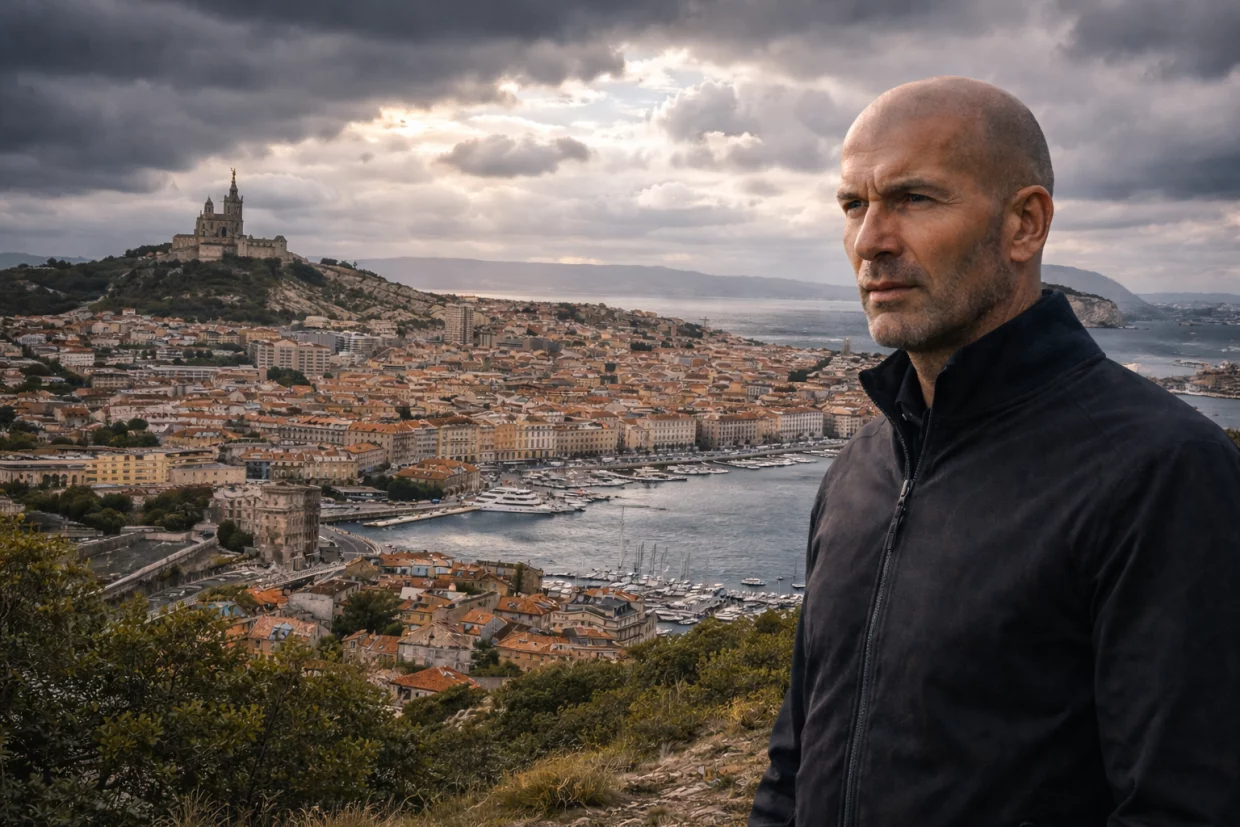
Marseille stretches along the Mediterranean coast in southern France, surrounded by limestone hills, dramatic cliffs, and the turquoise waters of the Calanques. It is a city shaped by wind (the mistral), sea salt, and constant movement. Today, Marseille overwhelms visitors with raw energy: fishing boats next to yachts, street markets beside graffiti-covered walls, and the ever-present scent of the sea.
Origins and Early History
Founded around 600 BCE by Greek sailors from Phocaea, Marseille was originally called Massalia. Legend says the city was born from a wedding: a local princess chose a Greek sailor as her husband, sealing peace and prosperity with a cup of water. Marseille became a major Mediterranean trading port long before France itself existed, making it the oldest city in the country.
The Three Greatest Blows to Marseille
1. The Great Plague of 1720
In 1720, a merchant ship brought the plague to Marseille. Despite quarantine efforts, the disease spread rapidly. Around 50,000 people – nearly half the population – died. Entire districts were abandoned, mass graves filled the outskirts, and the city became a symbol of epidemic catastrophe in Europe.
2. The Siege of Marseille (1423)
In 1423, forces from the Kingdom of Aragon attacked and looted the city, destroying ships, towers, and large parts of the harbor infrastructure. Marseille’s strategic port was badly damaged, disrupting trade and weakening the city for decades.
3. World War II Destruction (1943)
During the Nazi occupation, the Old Port district was deliberately destroyed by German forces. Thousands of residents were deported, entire neighborhoods were razed, and historic areas vanished overnight. Marseille lost a significant part of its architectural memory.
The Golden Age of Marseille
Marseille’s golden age arrived in the 19th century. Colonial trade, industrialization, and the opening of the Suez Canal in 1869 turned the city into France’s main gateway to Africa and the Middle East. Spices, coffee, soap, oil, and ideas flowed through its port, bringing wealth, diversity, and global influence.
Why Marseille Is Worth Visiting Today
Marseille today is unapologetically multicultural. It offers dramatic coastlines, vibrant street life, bold cuisine, and neighborhoods that feel like separate worlds. Visitors can swim in crystal-clear coves in the morning, explore museums in the afternoon, and eat seafood by the harbor at night. It is imperfect, intense, and unforgettable – a city that rewards curiosity and tolerance.
Tourist Information and Key Attractions
Practical Tourist Costs (Estimated Averages)
- Average lunch: 12–16 EUR
- Average dinner: 20–28 EUR
- Hotel (mid-range, double room): 90–140 EUR per night
- Beer (0.5 l): 6–7 EUR
- Coffee (espresso): 2–3 EUR
Most Interesting Areas of the City
The Old Port (Vieux-Port), Le Panier district, the Calanques National Park, and the modern waterfront around La Joliette offer very different but equally compelling experiences.
Three Must-See Attractions
Vieux-Port (Old Port)
The historic heart of Marseille, where fishermen sell their catch and ferries come and go. It is noisy, messy, and full of life – exactly as Marseille should be.
Basilica of Notre-Dame de la Garde
Standing high above the city, this basilica watches over Marseille like a protective guardian. The views are spectacular, and locals genuinely believe it keeps the city safe.
Calanques National Park
A breathtaking stretch of limestone cliffs and hidden coves just outside the city. Hiking, swimming, and kayaking here reveal Marseille’s wild Mediterranean beauty.
Final Summary
Marseille is not France’s prettiest city – but it might be its most honest. It argues, sweats, sings, and survives. Love it or hate it, Marseille will never bore you, and it will always leave salt in your memory.
Tags: France • Germany • Greece • Mediterranean • Poland • War